Development has officially wrapped on “Don Memo,” an indie pixel-art video game deeply rooted in Costa Rican culture, preparing the title for its upcoming commercial release.
According to its creator, Carlos Zhou, the game follows the adventures of an elderly bull named Memo as he journeys across Costa Rica’s provinces battling iconic figures from national folklore.
“He lives with his granddaughter Milagro and his wife Betty. One day, the pisicacas (the devil) shows up and kidnaps his granddaughter in a red taxi. I took inspiration from the viral news story where someone stuffed a cow into a red taxi, blended with the classic rural tale of the grandfather heading into the mountains to fight the devil,” Zhou explained.
Zhou’s creative philosophy centered on romanticizing everyday Costa Rican identity—drawing inspiration from how countries like Japan and China take deep pride in weaving their folklore and daily customs into pop culture.
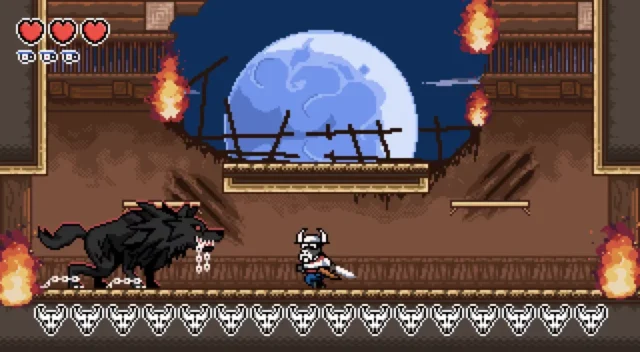
The project began when Zhou, who had previously launched an art initiative called Colorblind Pixel, seized the opportunity during a university course to pursue his lifelong dream of creating a video game. By documenting his development progress on TikTok, the project rapidly gained traction and sparked widespread community enthusiasm—momentum that ultimately helped him finish the game far faster than anticipated.
Cultural References and Local Humor
Zhou noted that his primary goal was to blend humorous characters with traditional Costa Rican legends—such as El Cadejo (the mythical spectral dog) and El Padre sin Cabeza (the Headless Priest)—alongside quirky inside jokes that only locals instantly recognize.
“I think it’s about the people and things that are uniquely Costa Rican—things only people from Costa Rica understand. Like the cow inside the red taxi or the cow stuck on a roof; those are moments only Costa Ricans truly get,” he detailed.
For the developer, layering these Easter eggs into the experience is his favorite aspect of the project. While the core gameplay draws from familiar retro mechanics, he hopes players will gradually uncover local references, share a laugh, and learn trivia about different regions across the country.

“I feel like there are plenty of Costa Rican products made to export abroad, but very few made directly for Ticos. I wanted a different approach—one pointing inward,” Zhou affirmed.
Rather than following a strict historical timeline, the game blends centuries-old legends with modern viral photos and videos embedded in Costa Rica’s collective memory, creating a world where players can recognize their own hometowns and customs.
Building an Indie Game in Costa Rica
Zhou shared that the project started with him working solo in his bedroom, sketching character sprites and running early gameplay tests. By week 20 of documenting the journey online, major national brands Dos Pinos and Gollo stepped in as official sponsors to back the project.
“I started filming the process because I knew making a video game would be a long haul—working on such a lengthy project without instant gratification or quick dopamine hits is tough. Sharing those videos kept me grounded because it gave me a sense of responsibility to the community to actually finish the game,” he remarked.
Sergio Vargas, regional manager at Gollo, explained that because the retailer has become intertwined with everyday Costa Rican life, supporting local game development was a natural fit.
“When we saw Carlos’s vision of placing Costa Rican culture at the center of a video game while championing national design, we knew we had to share it and be part of it. Our hope is that what Carlos achieved with Don Memo inspires similar projects, and that Gollo can continue backing many more cultural initiatives like this,” Vargas stated.
While Don Memo is not yet available for purchase, development is complete, and the team will soon announce its official release date on Steam.